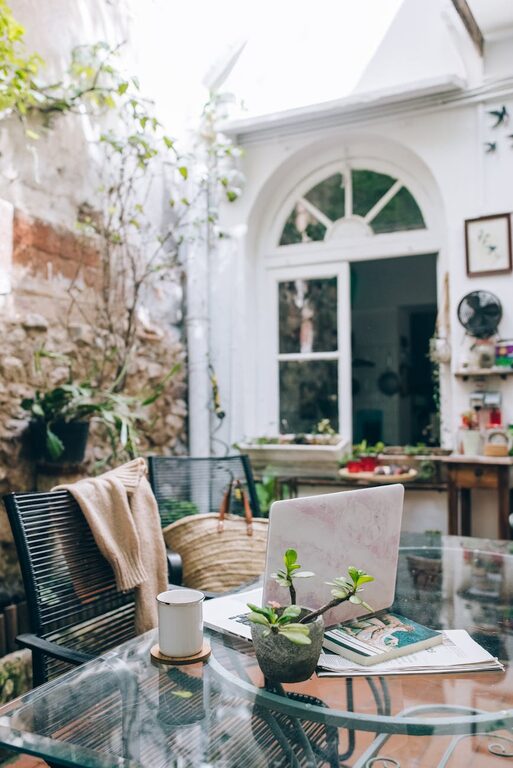




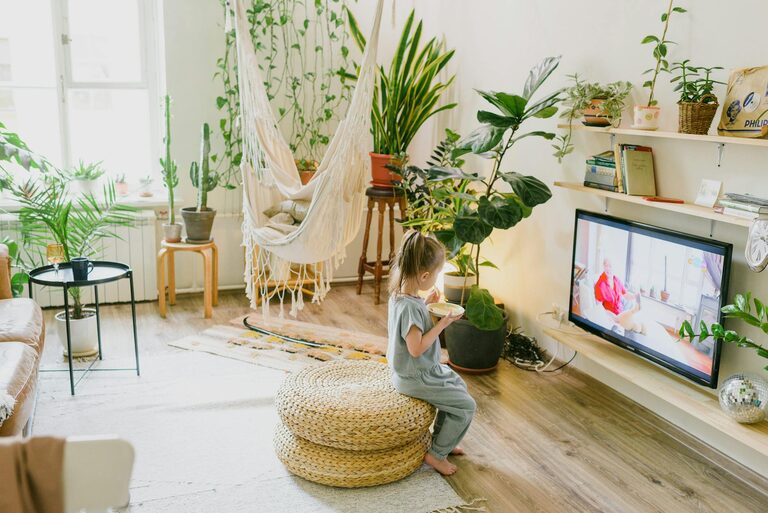
Creating a cosy and welcoming home environment is something many of us strive for. A space that feels warm and inviting not only boosts our mood but also makes guests feel comfortable and at ease. Whether you are moving into a new place or want to refresh your current home, simple changes can make a big difference.
In this post, we’ll explore practical tips to help you create a home that feels both cosy and welcoming without a heavy price tag or major renovation.
1. Choose Comfortable and Soft Textiles
One of the quickest ways to add warmth and comfort to a room is through textiles. Soft cushions, throws, and rugs can transform a space instantly.
– Use chunky knit blankets or soft fleece throws on sofas and armchairs.
– Add cushions in warm, muted colours or cosy patterns.
– Place a textured rug underfoot to add warmth and define sitting areas.
These elements invite you and your guests to relax, enhancing the sense of comfort in your home.
2. Lighting Matters: Go for Warm and Layered Lighting
Lighting plays a crucial role in setting the atmosphere.
– Use lamps and fairy lights instead of harsh overhead lighting.
– Choose bulbs that give off a warm glow (around 2700K) rather than cold white light.
– Layer lighting by combining table lamps, floor lamps, and candles.
Candles are particularly effective at creating a soft, flickering ambiance that helps rooms feel intimate and inviting.
3. Declutter and Organise Your Space
A cluttered home can feel stressful and unwelcoming. Keeping your space tidy helps create a calm environment.
– Regularly sort through items and keep only what you truly need and love.
– Use storage solutions like baskets, shelves, or ottomans with hidden compartments.
– Make sure frequently used items have a dedicated place.
An organised home not only looks better but also feels more inviting to both residents and visitors.
4. Incorporate Natural Elements
Bringing nature inside has a soothing effect.
– Add indoor plants such as peace lilies, spider plants, or succulents.
– Use natural materials like wooden furniture, stone decorations, or woven baskets.
– Display fresh flowers when possible to add colour and life.
Plants improve air quality and bring a touch of the outdoors in, which contributes to a feeling of calmness and wellbeing.
5. Personalise Your Space with Meaningful Items
A welcoming home tells a story about the people who live there.
– Display photos of family and friends in simple frames.
– Include souvenirs or mementos from pleasant experiences.
– Incorporate artwork that reflects your taste and personality.
These touches make your home feel lived-in and loved, encouraging a warm atmosphere for visitors.
6. Pay Attention to Scents
Good smells can be instantly inviting.
– Use scented candles or essential oil diffusers with gentle fragrances like lavender, vanilla, or citrus.
– Avoid overwhelming scents that can cause irritation.
– Keep your home fresh by regularly airing rooms.
A pleasant scent can evoke positive emotions and enhance the feeling of hospitality.
7. Create Inviting Seating Arrangements
Thoughtful furniture placement encourages conversation and connection.
– Arrange seating so people face each other, making interaction natural.
– Ensure there is enough seating for guests, using stools or poufs if space is limited.
– Include soft cushions and throws to make seats more comfortable.
Comfortable seating areas are the heart of a welcoming home, inviting people to stay and relax.
8. Use Colour Wisely
Colour affects mood and perception of space.
– Opt for warm, neutral colours like beige, soft grey, taupe, or pastel tones to create calmness.
– Add pops of colour through accessories like cushions, rugs, or artwork.
– Avoid overly bright or harsh colour schemes that can make a room feel less relaxing.
By choosing the right colours, your rooms will feel more harmonious and inviting.
9. Keep Temperature Comfortable
A cosy home is also a warm home.
– Ensure your heating system works efficiently, particularly in colder months.
– Use heavy curtains or blinds to keep the warmth inside.
– Incorporate soft textures and layers that help retain heat.
By keeping the temperature comfortable, you create a space where people naturally want to linger.
Conclusion
Making your home cosy and welcoming doesn’t require expensive equipment or redesigns. By focusing on comfort, warm lighting, natural elements, personal touches, and practical organisation, you can transform your living spaces into places of warmth and refuge.
Start with one or two of these tips and gradually build on them to create your ideal cosy haven. Remember, your home is a reflection of you, so make it a space you genuinely enjoy coming back to.
Happy decorating!