



Creating a productive home office space is essential for maintaining focus and efficiency when working remotely. Whether you’re new to working from home or seeking to improve your current setup, a well-planned workspace can make a significant difference in your daily routine. In this post, we’ll explore practical tips that can help you design a home office that encourages productivity and comfort.
Choose the Right Location
One of the first steps is to pick a suitable spot for your home office. Whenever possible, select a quiet area away from high-traffic zones in your home. This reduces distractions and allows you to concentrate more effectively.
Consider natural light when deciding the location. A space near a window can boost your mood and energy levels, but ensure that screen glare isn’t a problem. If natural light is limited, invest in good quality lighting that mimics daylight.
Invest in Comfortable and Functional Furniture
Your choice of furniture plays a vital role in your productivity and well-being. Here are some key pieces to consider:
– Ergonomic Chair: Select a chair that supports your posture, adjustable to your height and desk.
– Suitable Desk: Pick a desk large enough to accommodate your work essentials without clutter.
– Footrest: For added comfort, especially if your feet don’t rest flat on the floor.
Remember to arrange your desk and chair so that your screen is at eye level. This helps reduce neck and back strain during long working hours.
Organise Your Workspace Effectively
An organised desk contributes to a clear mind and efficient workflow. Use storage solutions such as shelves, drawers, and organisers to keep your space tidy.
– Declutter regularly to avoid buildup.
– Keep only essential items within reach.
– Use cable tidies to manage cords and chargers.
An organised workspace helps prevent distractions and ensures you can find what you need quickly.
Personalise Your Space
Adding personal touches makes your home office inviting and motivating. Consider:
– Photos or artwork that inspire you.
– Plants to add greenery and improve air quality.
– A comfortable rug or cushions.
These elements can make your workspace feel more relaxing without becoming distracting.
Minimise Noise and Distractions
Noise can disrupt concentration and reduce productivity. If your home is noisy, try:
– Using noise-cancelling headphones.
– Playing soft background music or white noise.
– Adding heavy curtains or rugs to absorb sound.
Set boundaries with family or housemates about your work hours to minimise interruptions.
Establish Good Lighting
Adequate lighting is crucial to reduce eye strain and maintain alertness. Aim for a combination of:
– Natural daylight.
– Overhead lights that illuminate the entire room.
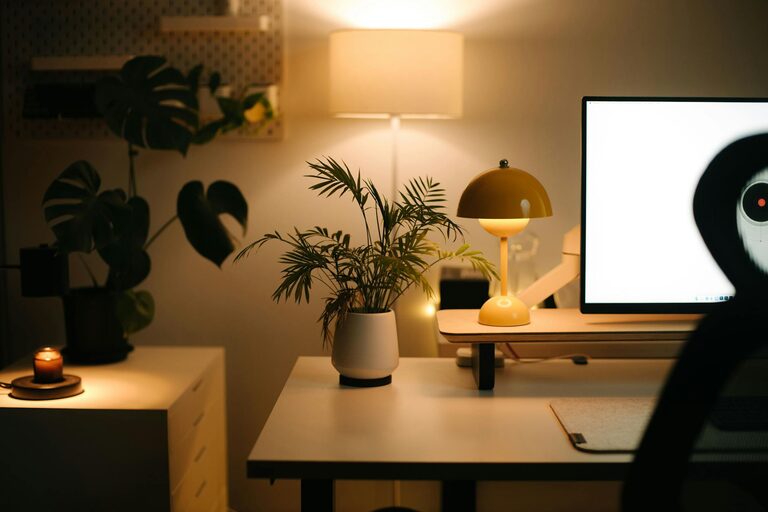
– Task lighting such as a desk lamp for focused activities.
Adjust lighting based on the time of day and the tasks you’re doing.
Use Technology Wisely
Ensure your technology supports your workday efficiently:
– Reliable internet connection.
– Up-to-date computer and accessories.
– Apps and tools to help manage tasks and communication.
Regularly update your software and back up your work to avoid disruptions.
Maintain a Healthy Routine
A productive home office is complemented by healthy habits:
– Take regular breaks using techniques like the Pomodoro method.
– Keep a water bottle nearby to stay hydrated.
– Incorporate stretches or short exercises to reduce physical strain.
Balancing work and well-being improves both productivity and job satisfaction.
Keep It Flexible
Your needs may change over time, so design your home office space to be flexible:
– Use modular furniture that can be rearranged.
– Create zones for different activities, such as a reading corner.
– Adjust lighting and layout seasonally.
Flexibility helps you adapt your space to stay productive and comfortable.
—
By following these tips, you can create a home office environment that enhances your focus, comfort, and overall work performance. Remember, the key is to design a space that meets your individual needs and supports healthy work habits. Happy working!