

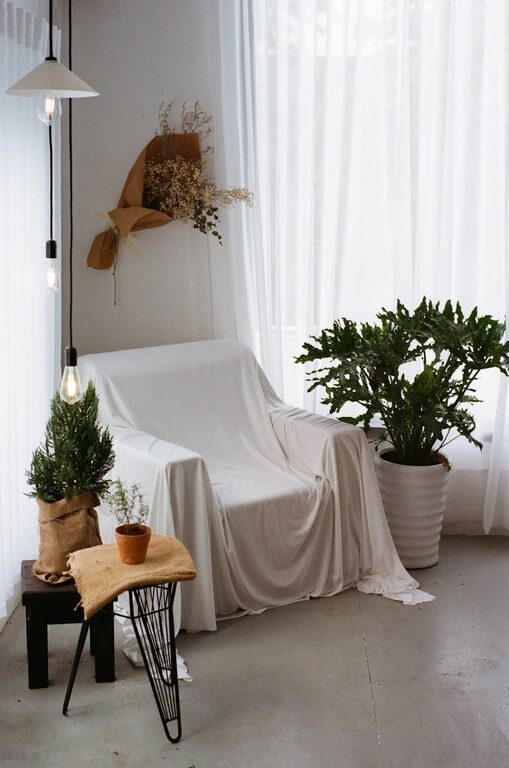
Creating a relaxing home environment is essential for your well-being. After a busy day, walking into a calm and peaceful space can help you feel refreshed and ready for anything. Fortunately, making your home a relaxing haven doesn’t require a major overhaul or a big budget. With a few simple adjustments, you can create a space that promotes calmness and comfort.
Here are some straightforward tips to help you design a more relaxing home.
1. Declutter and Organise
A cluttered space can cause stress and make it difficult to relax. Take some time to tidy up and organise your home:
– Sort through your belongings and get rid of things you no longer need.
– Use storage solutions like baskets, shelves, and boxes to keep items out of sight.
– Establish daily habits, such as putting things back in their place to maintain order.
A neat, organised home feels more open and peaceful.
2. Use Soothing Colours
Colour has a powerful influence on mood. Choosing calming tones for your walls, furnishings, and accessories can help create a relaxing atmosphere. Consider these colours:
– Soft blues and greens evoke nature and promote tranquillity.
– Warm neutrals such as beige, cream, and taupe provide a cosy and inviting backdrop.
– Pale lavender or dusty pink add gentle touches of colour without overstimulation.
Avoid harsh or overly bright colours in areas where you want to relax.
3. Let in Natural Light
Natural light improves mood and wellbeing. Wherever possible:
– Keep window coverings light and airy to maximise daylight.
– Arrange furniture to make the most of natural light sources.
– Add mirrors to reflect light and make rooms feel brighter and larger.
If natural light is limited, use warm-toned artificial lighting to create a welcoming glow.
4. Incorporate Nature
Bringing elements of nature indoors can reduce stress and increase feelings of calm.
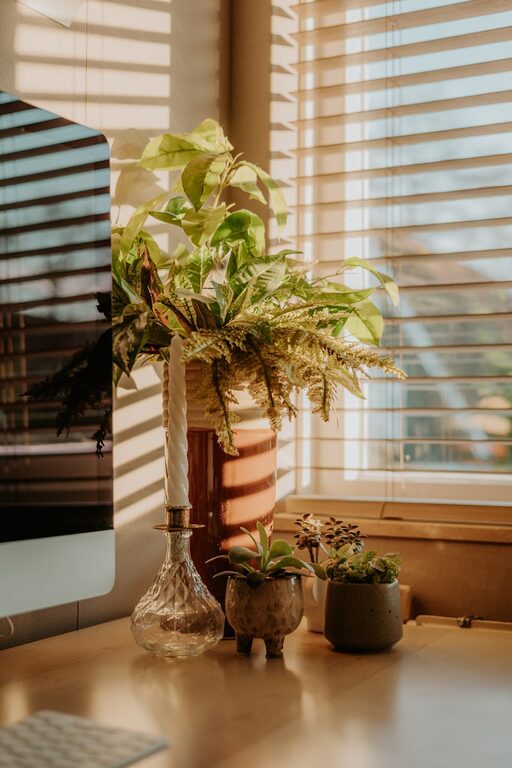
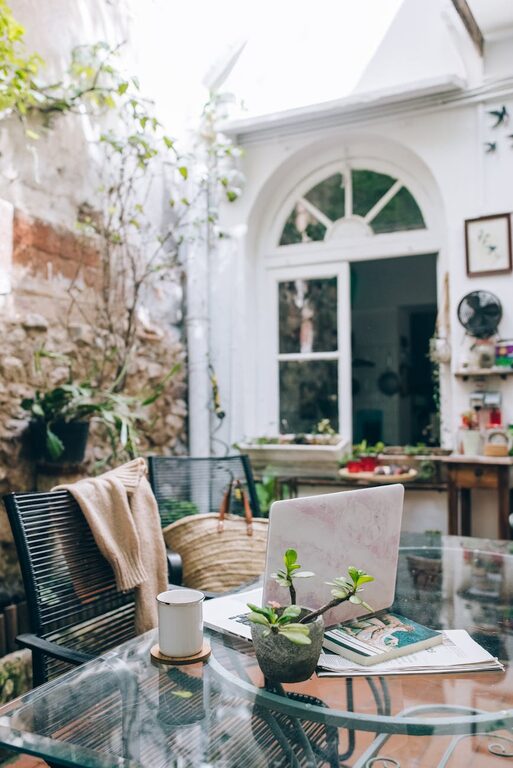
– Houseplants not only improve air quality but also add life and colour.
– Use natural materials such as wood, stone, or cotton in your décor.
– Display natural items like shells, pinecones, or dried flowers.
Even small touches of nature can make a big difference.
5. Create Comfortable Spaces
Comfort is key to relaxation. Focus on making your furniture and rooms welcoming:
– Choose soft cushions, throws, and rugs to add warmth and softness.
– Invest in a good-quality mattress and pillows for better sleep.
– Arrange seating areas to encourage rest and conversation.
Consider how you use each room and tailor comfort to those activities.
6. Use Calming Scents
Smells can have a strong impact on how you feel. Introducing gentle fragrances can help you unwind:
– Light scented candles or use essential oil diffusers with fragrances like lavender, chamomile, or sandalwood.
– Keep your home fresh by regularly opening windows for ventilation.
– Avoid overpowering or artificial smells which can cause discomfort.
Natural scents can create a spa-like atmosphere at home.
7. Minimise Noise and Distractions
A quiet environment supports relaxation and focus:
– Use rugs, curtains, and soft furnishings to absorb sound.
– Close doors to separate busy areas from peaceful spaces.
– Consider noise-cancelling devices if external noise is a problem.
Reducing noise helps create a calm sanctuary.
8. Personalise Your Space
Make your home feel uniquely yours to increase comfort and happiness:
– Display photos and mementoes that bring you joy.
– Choose décor and colours that reflect your personality.
– Include hobbies or interests in your space, such as a reading nook or crafting corner.
A personalised space nurtures relaxation and contentment.
9. Establish Relaxation Zones
Create specific areas dedicated to rest and mindfulness:
– A cosy corner with a comfortable chair and good lighting for reading.
– A meditation or yoga space free from clutter.
– An inviting bedroom that promotes restful sleep.
Having designated relaxation zones encourages regular downtime.
10. Keep Technology in Check
While technology offers convenience, it can also disrupt relaxation:
– Set boundaries around screen time, especially in the evening.
– Keep TVs and computers out of bedrooms if possible.
– Use apps or settings to reduce blue light exposure before sleep.
Balancing technology helps maintain calm and improve rest.
—
By implementing these simple tips, you can turn your home into a peaceful retreat. Remember, creating a relaxing environment is a personal process, so choose the ideas that suit your lifestyle and preferences. Taking small steps can make a big impact on your daily well-being.
Enjoy the calm and comfort of your relaxing home sanctuary!